
5 Things You Didn't Know Used Paraffin Slack Wax
There is a material sitting in the middle of the global petrochemical supply chain that most people outside the industry have never heard of. It does not carry a brand name. It does not appear on product labels. And yet the industries that depend on it packaging, automotive, construction, cosmetics, food, cannot function without a consistent supply of it.
That material is paraffin slack wax.
For companies that trade and process it, slack wax is a serious commercial product with growing demand and a supply chain that is becoming more complex every year. Understanding what drives that demand, and why supply reliability has become a genuine concern for buyers in this market, is what this article is about.
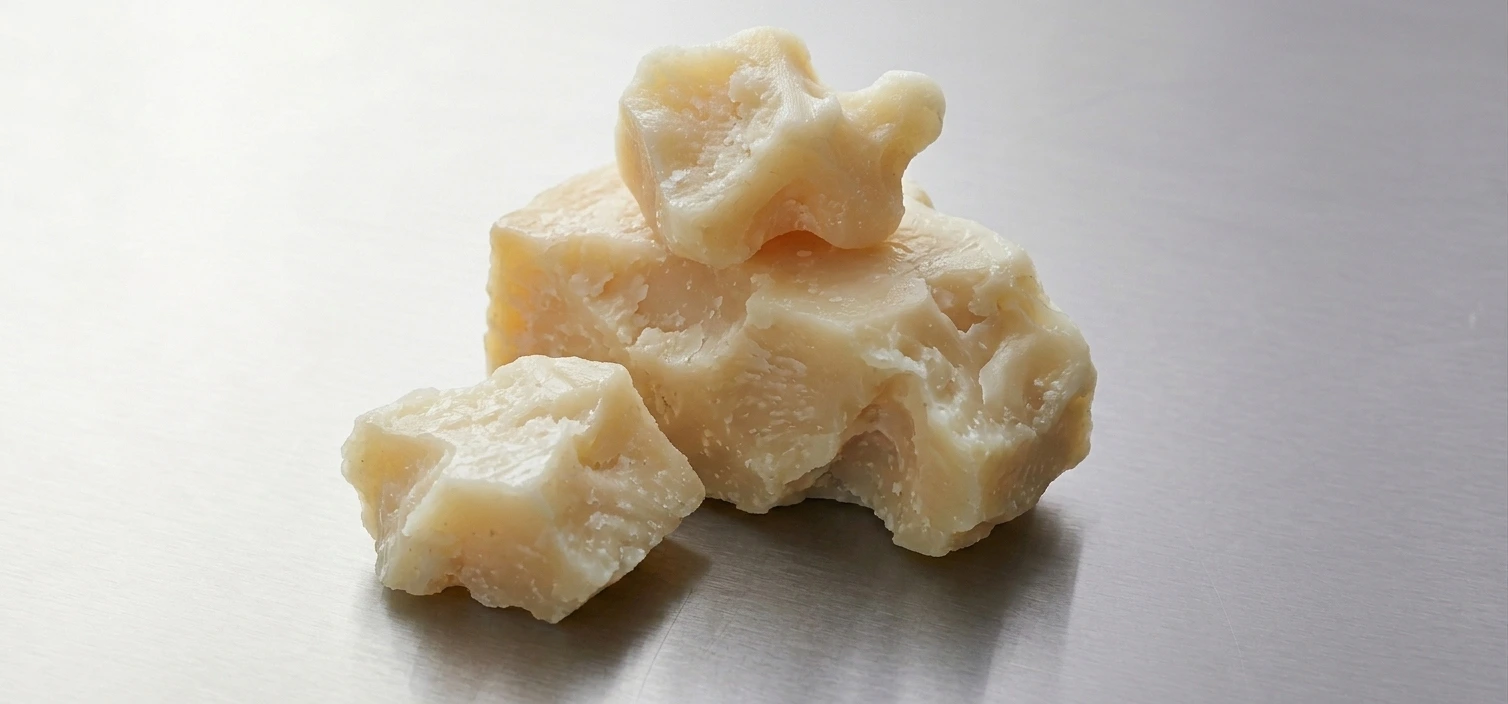
Paraffin slack wax is produced during the dewaxing stage of base oil refining. When lubricating oil distillates are chilled and filtered to remove waxy components, the material that is separated out is slack wax. It is a semi-refined mixture of oil and wax, with oil content typically ranging between 5% and 35% depending on the grade and the refining process used.
It is not a waste product. It is a feedstock. Depending on how it is further processed, slack wax becomes the raw material for fully refined paraffin wax, microcrystalline wax, petrolatum, and a range of other wax derivatives that serve industries across the global economy.
The connection between base oil production and slack wax supply is direct. When base oil refinery output changes because of crude oil prices, geopolitical disruption, or refinery capacity decisions slack wax availability moves with it. That linkage is increasingly relevant in 2026, as base oil supply chains face some of the most significant disruption in years.
The industries consuming slack wax are more diverse than most people in the base oil market realise. Each of them has different quality requirements, different sensitivity to price, and different tolerance for supply interruption.
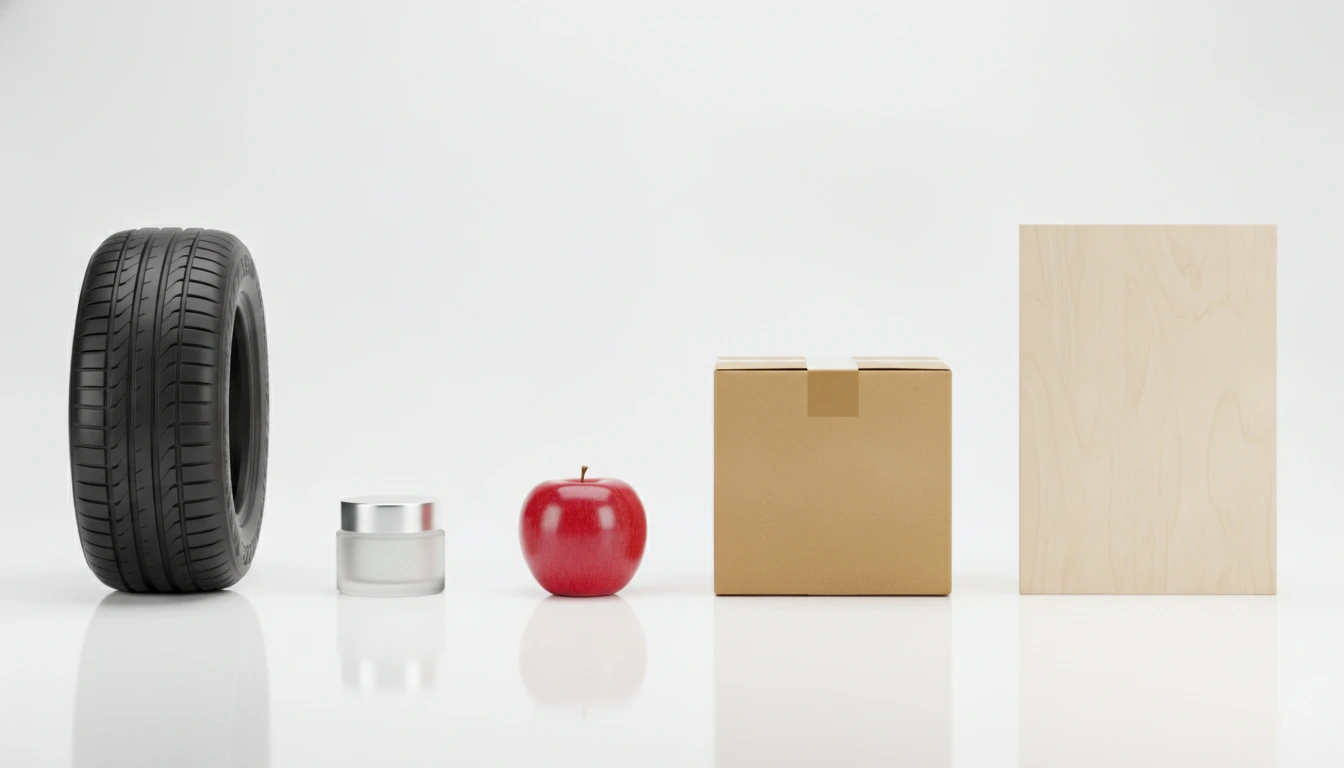
Packaging and corrugated board manufacturing is one of the largest volume applications. Paraffin wax coatings derived from slack wax provide the moisture resistance that keeps paper-based packaging functional across logistics chains that cross multiple climate zones. For food packaging and cold chain logistics, this is a standard specification requirement, not an optional treatment.
Tire and rubber manufacturing uses slack wax as an anti-ozone agent blended directly into the rubber compound. As a tire warms through use, the wax migrates to the surface and creates a protective layer that slows degradation from atmospheric ozone and UV exposure. Every major tire manufacturer in the world uses this process. The consistency of wax quality directly affects how well this protection performs over the life of the tire.
Engineered wood production, including MDF and particle board, incorporates slack wax as a sizing agent to control moisture absorption. Wood fibres naturally absorb humidity, causing dimensional instability that makes them unreliable for construction and furniture applications. Slack wax introduced during panel manufacturing addresses this problem at a material level. The construction and interior fit-out industries depend on this application without most people in those sectors ever knowing it.
Cosmetics and personal care is the segment where specification requirements become most demanding. Petrolatum, the base ingredient in barrier creams, ointments, lip care products, and pharmaceutical topical applications is produced through further refining of slack wax. From April 2026, REACH regulations introduced tighter controls on polycyclic aromatic hydrocarbons in paraffin-bearing cosmetics, which is raising the technical bar for suppliers and driving investment in hydrotreating capacity across the supply chain. Buyers in this segment need full traceability and regulatory compliance from their suppliers, not just a competitive price.
Fresh produce coating is a smaller but consistent demand segment. Food-grade paraffin wax applied after harvest slows moisture loss, maintains firmness, and extends shelf life for fruit and vegetables moving through international supply chains. Purity requirements here are strict, and certification documentation is a baseline expectation from buyers.

What these industries share is that their dependence on slack wax does not fluctuate much. Packaging, tires, construction materials, personal care, and food are sectors with relatively stable demand regardless of the broader economic cycle. That stability means procurement teams in these industries expect their slack wax supply to be equally stable.
The reality in 2026 is more complicated. Base oil supply chains are under significant pressure from Middle East conflict, refinery output prioritisation, and freight disruption. Because slack wax availability is directly linked to base oil production, the tightening of base oil supply flows through to the wax market as well. Buyers who were comfortable with single-source procurement strategies are now looking at what diversification actually means in practice.
The companies that will manage this environment best are the ones that understood the supply linkage early and built relationships with trading partners who have the market access and flexibility to protect their supply when conditions shift.

At Synergysol Trading, we supply paraffin slack wax alongside our full range of Group I, Group II, and Group III base oils to manufacturers, processors, and traders across Europe, the Middle East, and Africa.
Our approach to the wax market is the same as our approach to base oil trading: deep market monitoring, diversified sourcing, and the kind of supply reliability that allows our partners to plan with confidence even when the market is not cooperating.
If you are a buyer looking for a dependable slack wax supply partner, or if you want to discuss how current base oil market conditions are affecting wax availability and pricing, contact our team today.