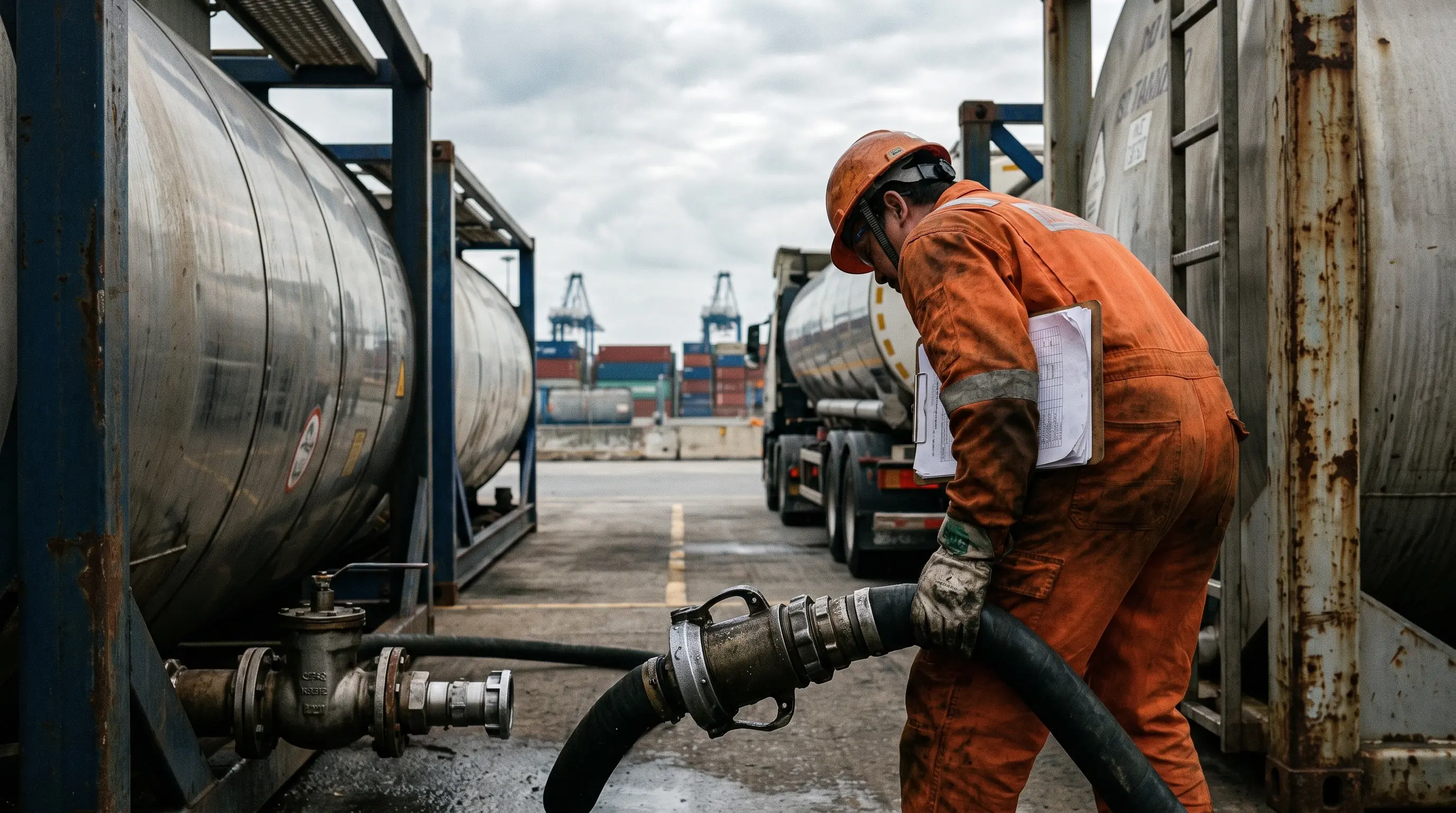
Oil viscosity defines an oil’s resistance to flow and directly affects lubrication, cooling, wear protection, and efficiency. This article explains viscosity with simple examples, compares high and low viscosity behavior, and outlines how it is influenced by temperature, pressure, shear, and base oil composition. It also covers SAE and ISO viscosity grades and explains why selecting the right base oil is essential for stable, long-term performance.
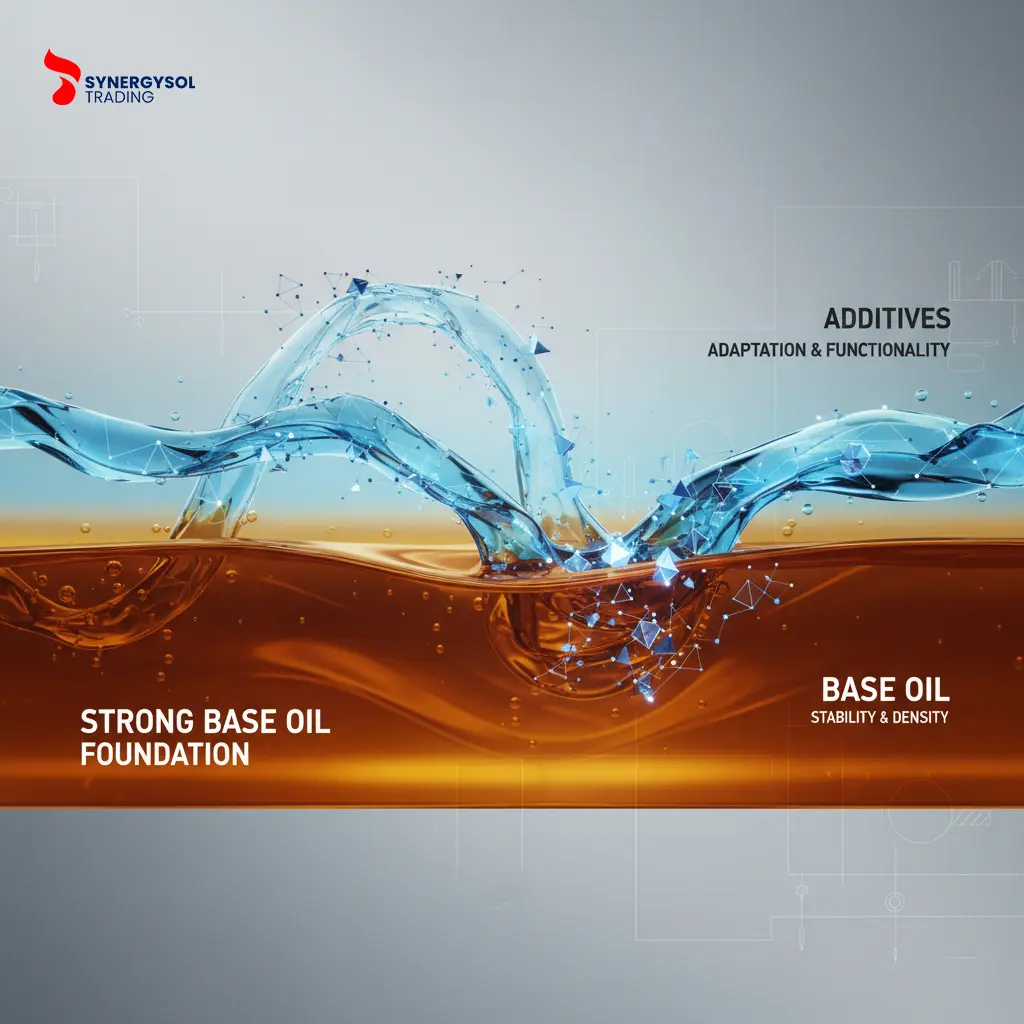
Base oil is the foundation of every lubricant, determining performance limits, stability, and oil life, while additives enhance and protect those properties. This article explains why base oil quality matters more than additive intensity, how both components work together, and how choosing the right balance reduces wear, extends drain intervals, and lowers total operating costs in industrial and automotive applications.
Base oils make up most of a lubricant and largely determine its performance and lifespan. They are classified into five API groups, from mineral to synthetic and specialty oils. Choosing the right base oil is essential to ensure reliability, efficiency, and durability in any lubricant application.
Extreme heat, dust, water scarcity, and rising sustainability pressure are reshaping the lubricants and base oil market in the Middle East & Africa. This in-depth analysis explores how MEA-specific environmental challenges are driving new lubricant strategies, circular models, and competitive advantages through 2026.
Every year, millions of tons of used lubricating oil are drained from engines, gearboxes, and turbines worldwide. Much of it is still burned or discarded — wasting a valuable resource. Re-refining technology is changing that narrative.
Global trade in 2025 looks very different from the decade before. Tariffs are back, sanctions are widespread, and shipping routes are being reshaped by conflict and regional instability. The average U.S. effective tariff rate has climbed above 10%, reaching levels not seen in decades (WTO 2025).
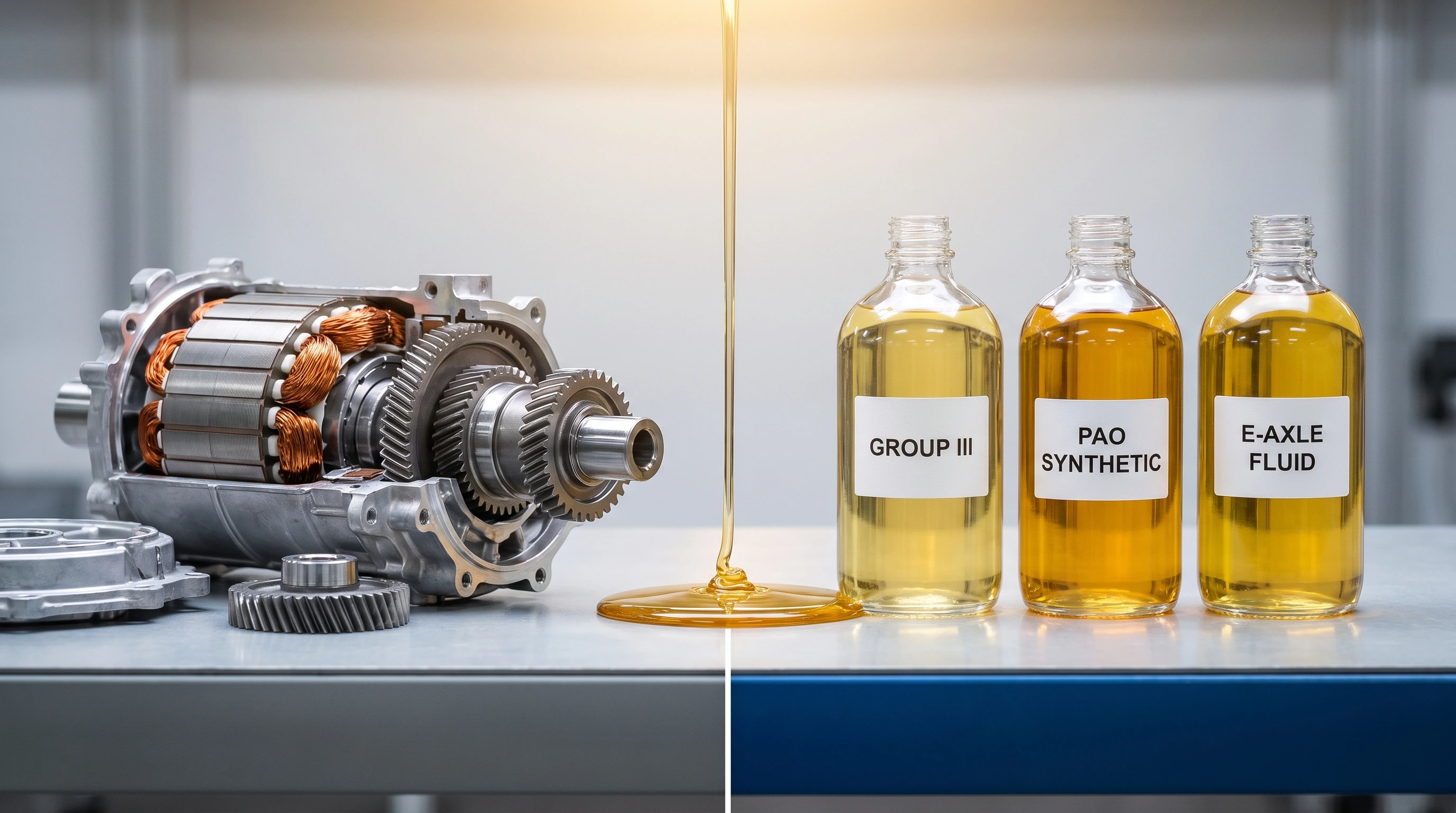
The rapid rise of electric vehicles (EVs) marks a turning point in the global energy landscape. As batteries replace combustion engines, oil demand is being reshaped — gasoline and diesel consumption decline, refinery economics shift, and entirely new product streams emerge.
The global energy transition is rewriting the rules for the oil industry. As fuel demand declines, base oils and lubricants — once a niche segment — are emerging as a strategic lifeline for refineries.
Artificial intelligence (AI) is no longer a futuristic add‑on for the energy sector — it’s a core driver of efficiency, safety and competitiveness.
Synergy Sol Trading proudly sponsors the Argus Base Oils AMEA 2025 Conference in Dubai, supporting growth and collaboration in the base oils industry.
The supply market is primarily dominated by conventional API Group I bright stocks, accounting for 85-90% of demand. The remaining demand is met by Group V (naphthenic bright stocks) and alternative bright stocks, including Group II ...
Creating a successful lubricant brand involves strategic planning, market research, product development, and effective marketing. Here is a detailed guide on how to develop and launch a lubricant brand, with insights into choosing the right name, marketing strategies, securing OEM and API approvals, and entering the market.