
Electric Vehicles and Lubricants: What the Market Data Actually Says for 2026 and Beyond
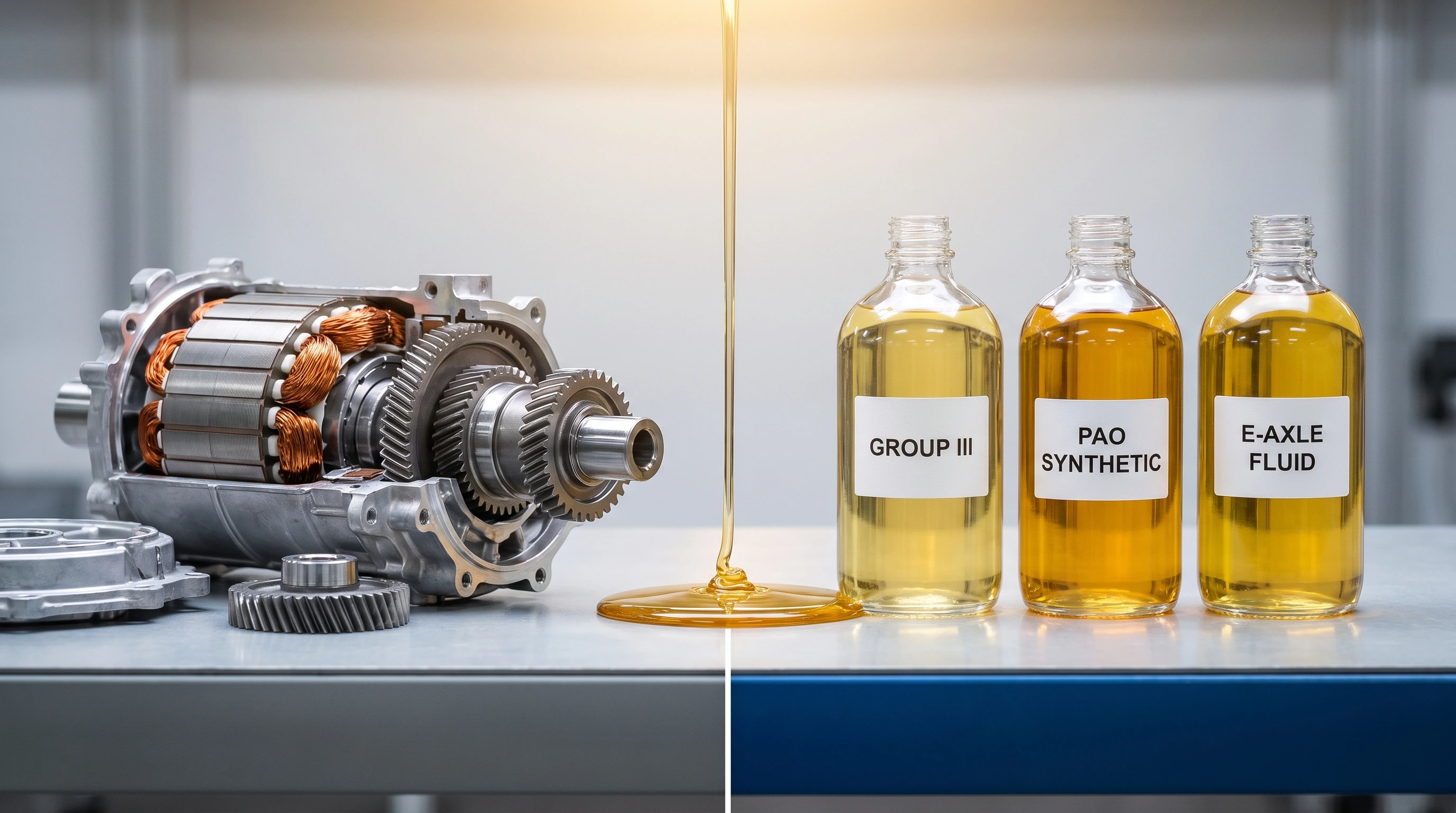
The conversation about electric vehicles and lubricants has been dominated by one question for the past several years: will EVs kill the lubricant market? The answer that the data is now delivering is more interesting than the question.
Electric vehicles are not eliminating lubricant demand. They are restructuring it. And that restructuring is creating a set of market dynamics that any business in the lubricant supply chain needs to understand clearly, whether or not they are currently involved in EV-specific products.
This article looks at what the market data actually shows for 2026 and beyond, what it means for base oil demand, and why the companies positioning themselves now will carry a real advantage into the next decade.
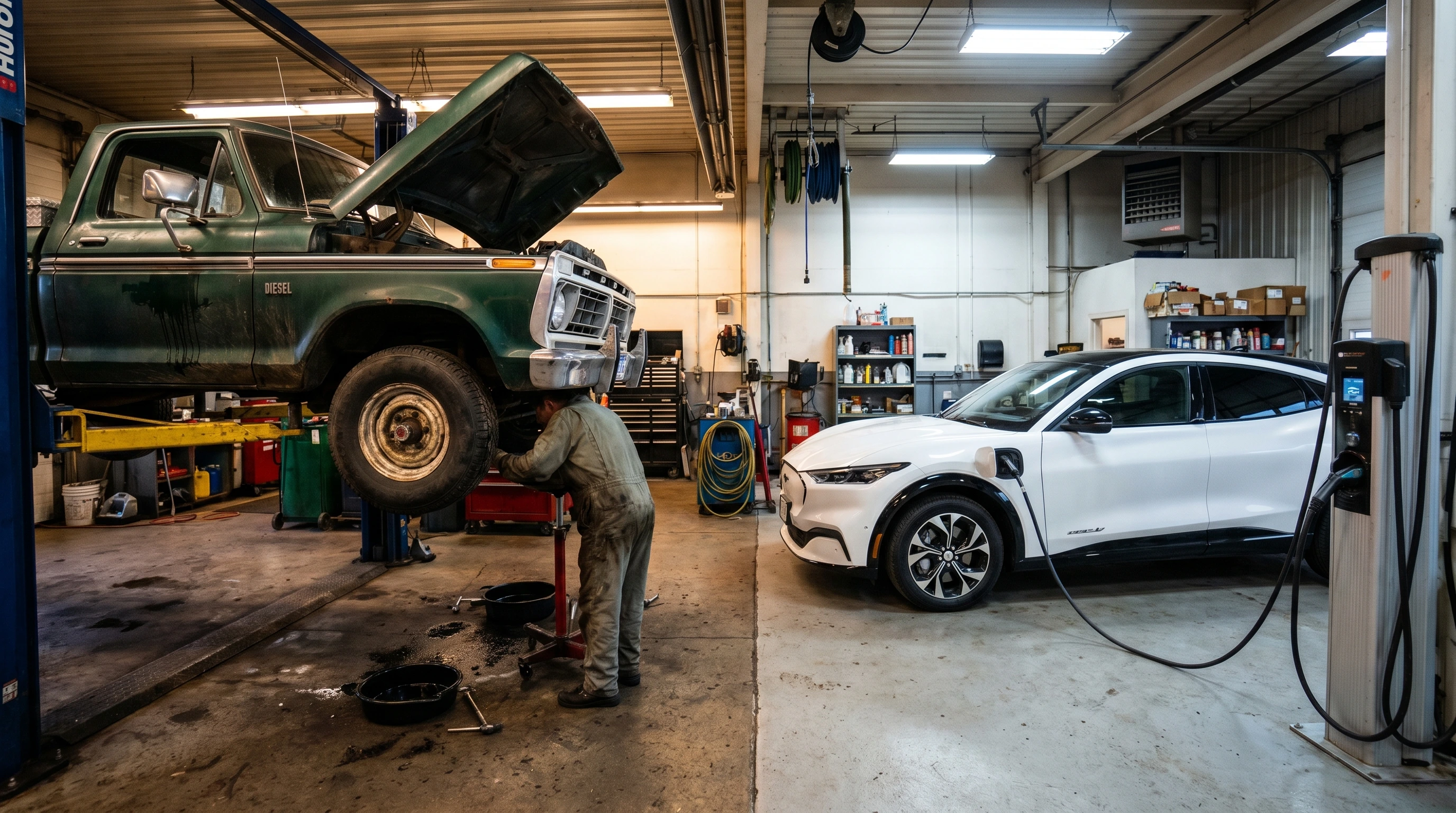
The global base oil market is projected to grow from approximately 31 billion US dollars in 2026 to over 40 billion dollars by 2033. This is not the trajectory of an industry in decline. What is changing is the composition of that demand, not its overall direction.
Conventional engine oil volumes are under pressure in mature markets as EV adoption rises and drain intervals extend. At the same time, an entirely new category of fluid demand is emerging: EV-specific lubricants, thermal management fluids, dielectric coolants, and e-axle gear oils that did not exist as a meaningful commercial category five years ago.
The global EV fluids and lubricants market was valued at approximately 1.6 billion US dollars in 2026 and is projected to reach close to 18 billion dollars by 2035. That is a market growing at over 30% annually from a base that is already commercially significant. It is not a future opportunity. It is a present one.
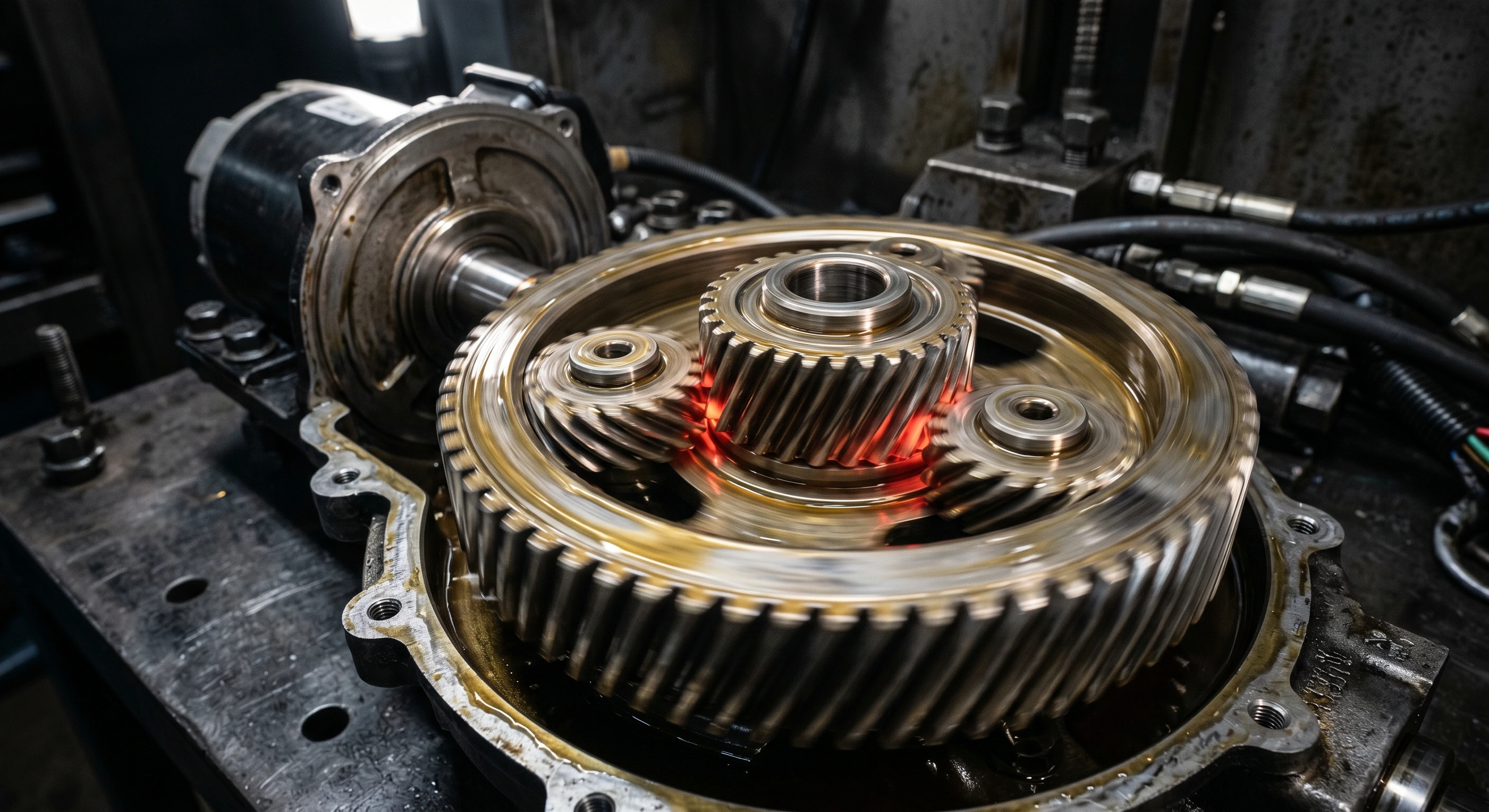
Electric vehicles have simpler drivetrains than internal combustion engines in some respects, but the fluids they require are significantly more technically demanding. An EV drivetrain operates at up to 20,000 to 30,000 revolutions per minute in some configurations. It generates heat in different locations and patterns than a combustion engine. It operates at high voltages that require the surrounding fluids to have controlled electrical properties.
These conditions mean that conventional transmission fluids and gear oils are simply not adequate. EV fluids must simultaneously lubricate, manage heat, and maintain electrical compatibility with copper windings, insulation materials, and power electronics. The formulations that achieve this reliably are built on high-purity synthetic and semi-synthetic base stocks.
E-axle gear oils represent the largest product segment within EV fluids, accounting for approximately 40% of total demand. PAO base oils lead in this application with around 36% share, followed by Group III base oils which are increasingly specified where cost and performance need to be balanced. The shift toward EVs is not reducing the importance of Group III base oil. It is creating new application categories where Group III is the preferred feedstock.
One of the most important corrections the market has made to earlier forecasts is around hybrids. The assumption that the industry would move rapidly from internal combustion directly to full battery electric vehicles is not playing out as predicted.
In 2024, over 35% of new passenger vehicles sold globally were electric or hybrid, with hybrid vehicles gaining significantly more traction than many analysts anticipated. Governments including the United States have stepped back from ambitious full battery EV targets. The European Union has revised its regulations to permit hybrid vehicles beyond 2035.
Hybrid vehicles are commercially important for the lubricant industry for a specific reason: they often operate under more demanding conditions than either a pure combustion engine or a pure EV. The combustion component of a hybrid runs in stop-start patterns that generate more thermal stress than continuous operation. This means hybrid engines frequently require higher performance lubricants than their conventional equivalents, driving demand for premium base oils including Group III and Group III+.
The hybrid transition is extending the runway for high-performance conventional lubricants significantly beyond what was being forecast three years ago.

The geography of lubricant and base oil demand is shifting in a way that creates opportunities beyond the traditional markets of Europe and North America.
China leads EV adoption with a 13.5% compound annual growth rate for driveline lubricants through 2035, driven by large-scale domestic EV production and strong government support. Brazil is growing at 12.6%, Germany at 11.6%, and the United Kingdom at 11.4%. These numbers reflect EV adoption, but they also reflect the broader industrial and fleet growth in each market.
More strategically significant for companies operating across multiple regions is the shift of overall lubricant demand toward non-OECD markets. Asia, Africa, and Latin America are experiencing vehicle fleet growth driven by population expansion and industrial development. In these markets, internal combustion engines will remain dominant for years, sustaining demand for conventional lubricants even as European and North American volumes face pressure from electrification.
For a company with supply chains and commercial relationships spanning Europe, the Middle East, and Africa, this geographic divergence is an opportunity rather than a threat.
Across both conventional and EV applications, the direction of the market is toward higher quality base stocks. Group I volumes are declining. Group II and Group III are growing. Synthetics and Group III+ are gaining ground in premium applications. This trend is driven simultaneously by EV fluid requirements, tighter OEM specifications, Euro 7 and China VII emission standards, and longer drain interval expectations from commercial fleet operators.
The companies that will be best positioned as this quality shift continues are those with access to reliable Group III supply, the market intelligence to anticipate pricing and availability changes, and the trading relationships to secure product when the market tightens. Group III base oil supply is already under significant pressure in 2026, with availability deteriorating and prices at historically elevated levels.
The EV transition is not a single event happening at a fixed point in the future. It is a gradual structural shift that is already changing what buyers need, what formulations are required, and which base oil grades are strategic.
Businesses that are building knowledge and supply chain positioning for EV-related applications now will enter the high-growth phase of that market with established relationships, technical credibility, and sourcing infrastructure already in place. Those that wait for the market to fully mature before engaging will find the competitive landscape already shaped by earlier movers.
Understanding the data, tracking the trends, and staying close to the base oil supply chain are the foundations of that positioning.
Do electric vehicles use lubricants? Yes. Electric vehicles require specialized fluids for their gear systems, electric motor bearings, and thermal management systems. These EV-specific fluids are distinct from conventional engine oils and are typically formulated on synthetic or high-quality Group III base stocks.
Will EV adoption eliminate demand for conventional lubricants? No. Conventional lubricant demand is expected to remain significant for years, supported by the dominance of internal combustion and hybrid vehicles in developing markets and the extended transition timeline in mature markets. The lubricant market is restructuring rather than declining.
What base oils are used in EV fluids? PAO base oils lead in EV fluid applications due to their thermal stability and consistent viscosity performance. Group III base oils are widely used where cost and performance need to be balanced. Ester-based oils provide specific lubricity and polarity benefits in high-stress EV applications.
Why do hybrid vehicles matter for lubricant demand? Hybrid vehicles operate under more demanding thermal and mechanical conditions than either pure combustion or pure electric vehicles. This frequently requires higher performance lubricants, sustaining demand for premium base oils including Group III and Group III+ even as full EV adoption grows.
How is the geography of lubricant demand changing? Demand growth is shifting toward non-OECD markets including Asia, Africa, and Latin America, where vehicle fleet growth and industrial expansion are sustaining strong conventional lubricant demand. Mature markets in Europe and North America face more pressure from electrification and extended drain intervals.
What does the EV transition mean for Group III base oil demand? Group III demand is growing as a result of the EV transition, not declining. New EV fluid categories require high-purity base stocks, and tighter OEM specifications for both conventional and hybrid vehicles are driving premiumization across the lubricant market. Group III is positioned as the preferred base stock for a wide range of these applications.
At Synergysol Trading, we supply Group I, Group II, and Group III base oils to lubricant blenders, manufacturers, and traders across Europe, the Middle East, and Africa. We follow the EV transition closely because it directly shapes the base oil market our partners operate in. Our sourcing approach is built around supply security and the market intelligence to help our partners navigate a market that is changing faster than at any point in the past decade.
Evaluating your base oil supply strategy for 2026 and beyond ? explore our base oil portfolio or get in touch with our trading team.